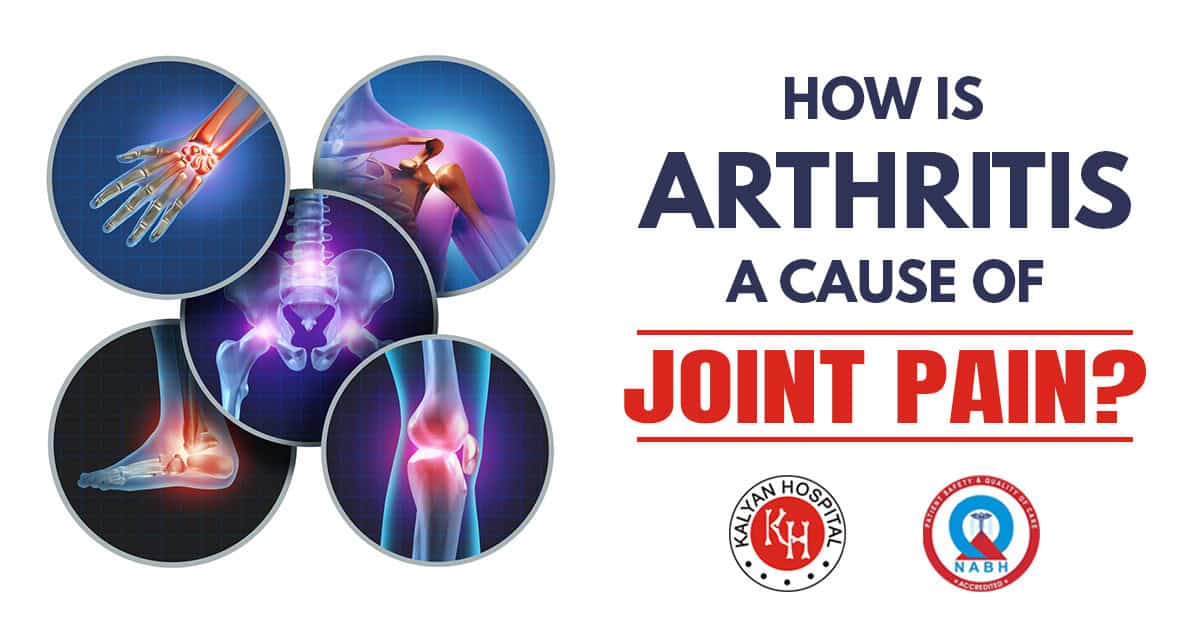
Joint replacement is becoming common in the elderly, and its success rate has increased due to the advanced methods used now. It becomes safe and highly effective in relieving pain from the elderly’s worn-out muscles due to arthritis. Joint replacement success has given the elderly independence, and it improved their way of living. Robotic assistance, better anaesthesia methods and modern implants that can last for quite a period of time, giving the elderly another chance at a normal, active life. This blog will explain why joint replacement is a game-changer for the elderly.
What MakesThe Elderly Consider Joint Replacement?
- Severe arthritis: Most of the disability in the elderly is due to arthritis. It gives a sharp pain in the joints because of the wearing out of the cartilage. Joint replacement gives relief from the immense pain caused by arthritis.
- Joint pain: As people grow older, their joints start feeling weak or become painful. Persistent pain may lead to loss of appetite, changes in mood and deprive the elderly of sleep. Therefore, joint replacement will make them feel stronger and more comfortable.
- Lack of independence in their daily quality of life: When elders rely on other people in everything they do, like using the bathroom, bathing, or even taking a walk, it affects their confidence and well-being; therefore, joint replacement will help them regain their confidence.
- When walking becomes difficult: If the joints are severely damaged, walking becomes difficult. Many elderly people will start avoiding movements because of the pain; joint replacement will be the best option for them to live a normal, pain-free life.
- Failure of getting relief from non-surgical treatment: When there’s nothing working to relieve pain from all other non-surgical treatments, they will end up considering joint replacement for relief.
- Severe joint damage: When the X-rays show that the joints are severely damaged, the best option for a pain-relieved life again will be joint replacement for a better living.
- Poor quality of life: Joint pain makes the elderly withdraw from social life, leading to depression due to the intense pain.
Why Is Joint Replacement A Game Changer To The Elderly?
- Elimination of pain: Joint replacement replaces the damaged cartilage that allows the joints to move swiftly, and it eliminates pain from arthritis and allows them to live a bearable life.
- Improved mental health: A painless life eliminates depression and anxiety that has been driven by pain, allowing them to have better mental health.
- Improved quality of life: It improves their quality of life, allowing them to be involved in some hobbies and offering help when needed, and social engagement that enhances their overall well-being.
- It allows them to be independent again: Instead of relying on caregivers and canes for support, joint replacement allows the elderly to live a manageable life.
- It gives a long-lasting solution: Instead of relying on medication that only relieves pain for a moment, joint replacement can last for a lifetime, allowing them lifetime relief.
Conclusion
Joint replacement is a game-changer for the elderly because it eliminates the severe pain from the joints that will be caused by worn-out cartilage from arthritis and gives them a new, painless life. It improves their independence and boosts their quality of life. Thanks to the modern techniques, advanced implants and advanced anaesthesia methods used now, the procedure is successful and gives the elderly a new life. Families that are concerned about their elderly loved one’s well-being should consult Dr. Rajinder Singh, a specialist in joint replacement at Kalyan Hospital, early, because timely treatment can reduce complications that may lead to disability.
FAQs
- Which role do caregivers have after joint replacement?
Caregivers’ role after joint replacement is supporting emotionally, assisting with medication, meals and hospital follow-ups.
2. For how long do joint replacement implants last in elderly people?
Joint replacement implants usually last for a lifetime in the elderly with regular check-ups and proper care.